
Printing may look like the final step in creating business communication, but the quality of the finished material depends on decisions made much earlier. File preparation, paper selection, colour settings, finishing, quantity and intended use all influence how a printed product looks and performs. For businesses searching for reliable printing services in Nagpur, understanding these basics can prevent avoidable delays, reprints and inconsistent results.
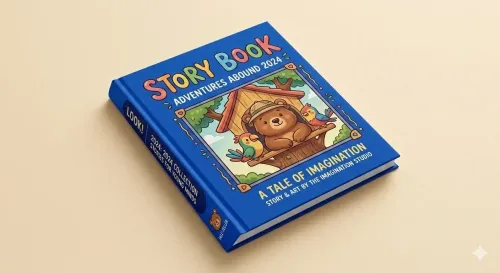
A good printing process begins with the purpose of the material. A business card needs durability and sharp text, while a flyer should balance visual appeal with economical production. Product packaging requires additional attention to dimensions, folds, strength and finishing. Books and annual reports have completely different requirements because page consistency, binding and readability become more important.
Before submitting artwork, check a few essential details:
Confirm the final dimensions and orientation.
Keep important text away from cutting edges.
Use sufficiently high-resolution images.
Check names, phone numbers, addresses and other contact information.
Review spelling and numerical information carefully.
Ensure colours and design elements are consistent across pages.
Ask whether bleed or specific file settings are required.
Paper selection is another important factor. Thicker material can give business cards and covers a more substantial feel, while lighter paper may be practical for flyers, inserts and high-volume communication. Coated surfaces are often chosen when colour and photographs are important. Uncoated materials may work better when writing on the printed surface is necessary.
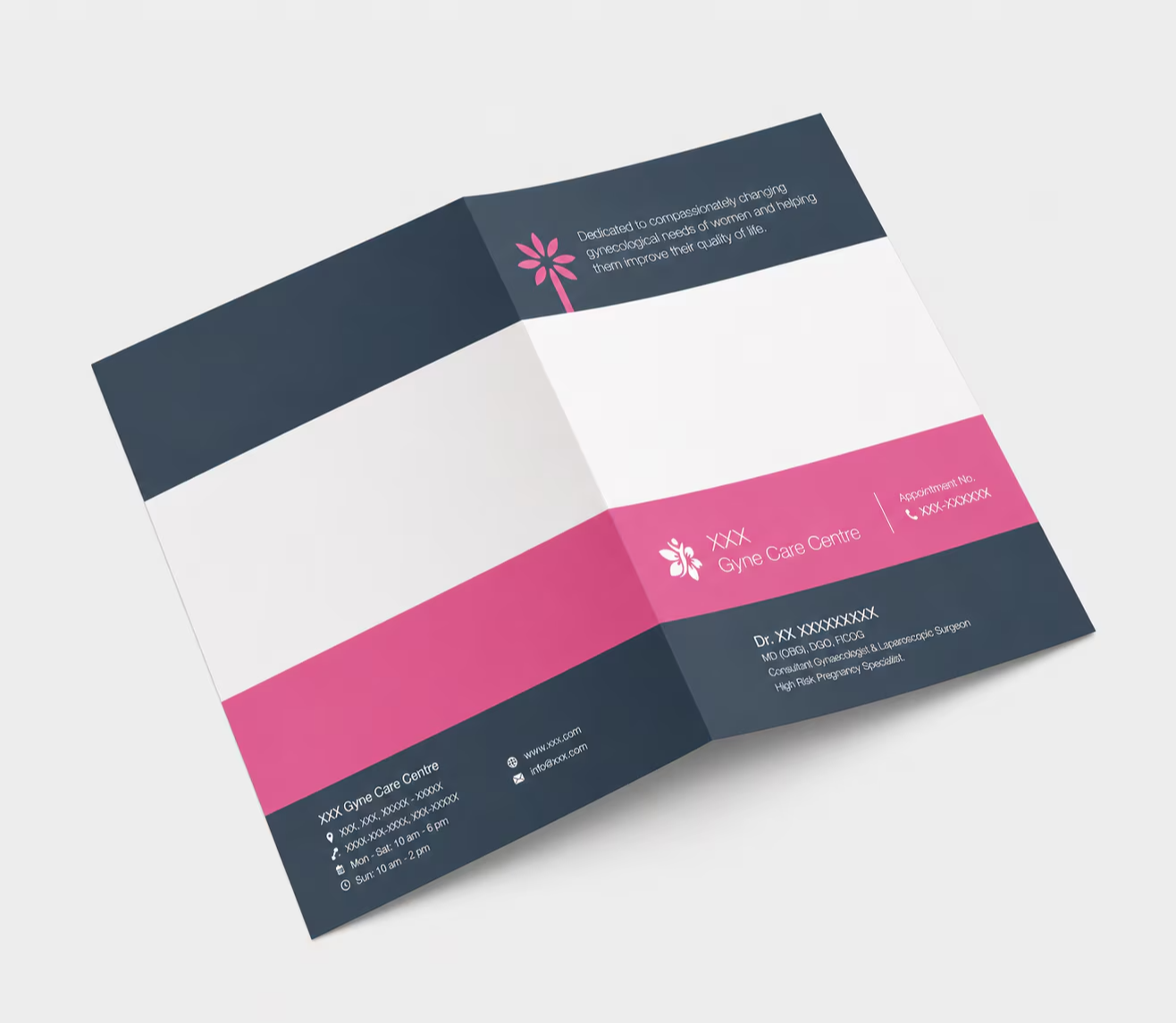
Businesses should also think about finishing. Lamination can improve surface protection, while folding, creasing, binding, cutting and other finishing processes determine how the final item functions. A well-designed piece can lose much of its impact if finishing is poorly planned.
Colour expectations deserve particular attention. Colours viewed on a phone or computer screen may not reproduce identically in print because screens and printing systems produce colour differently. For brand-sensitive projects, discussing colour requirements before the full production run is useful.
Quantity can also affect the most suitable production method. A small batch required quickly may have different production considerations from thousands of flyers, books or packaging units. Providing the expected quantity at the quotation stage allows the printer to recommend a practical approach.
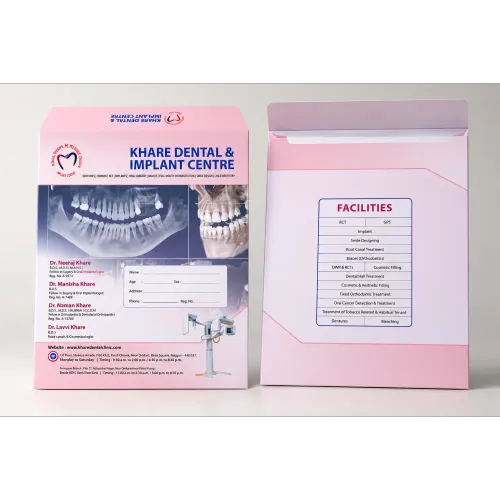
Nagpur businesses often need printed materials for retail promotions, clinics, corporate communication, educational institutions, product distribution, events and professional services. Maharashtra's competitive commercial environment means these materials frequently represent the first physical interaction a customer has with a brand.
That is why printing should not be evaluated only by the lowest quoted price. Accuracy, consistency, turnaround planning, material suitability and finishing quality can be equally important.
IMAGINATION supports different commercial printing requirements in Nagpur, making it useful for customers to discuss both design and production considerations before finalising a job.
Preparing properly before printing saves more than time. It helps ensure that the finished material communicates the intended message clearly, functions correctly and represents the organisation consistently wherever it is distributed.